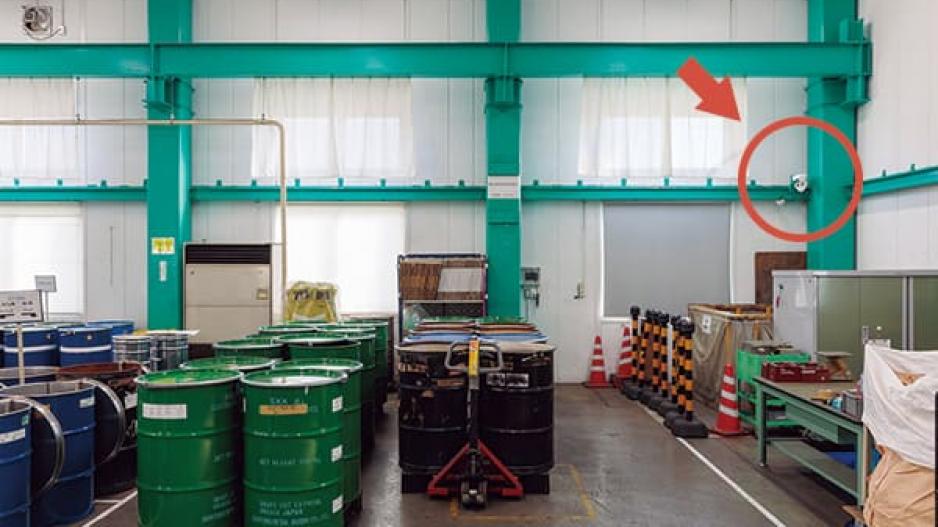
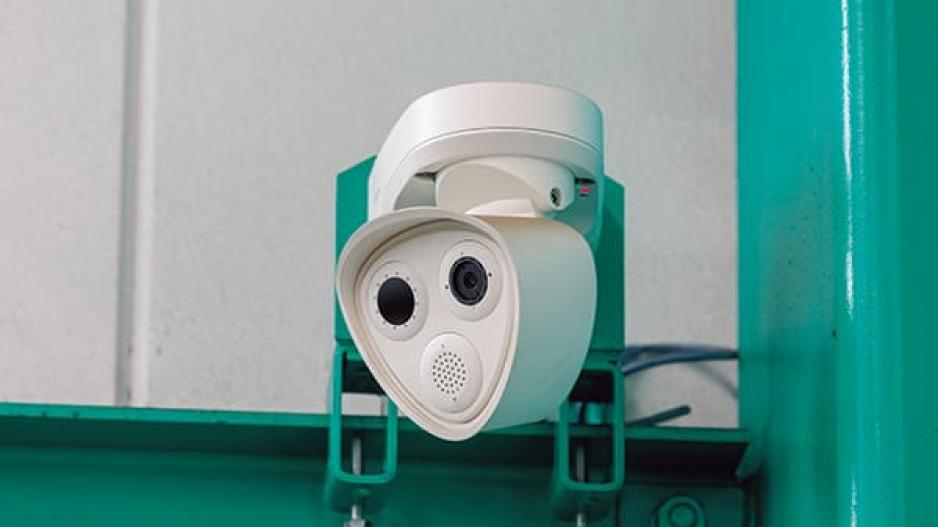
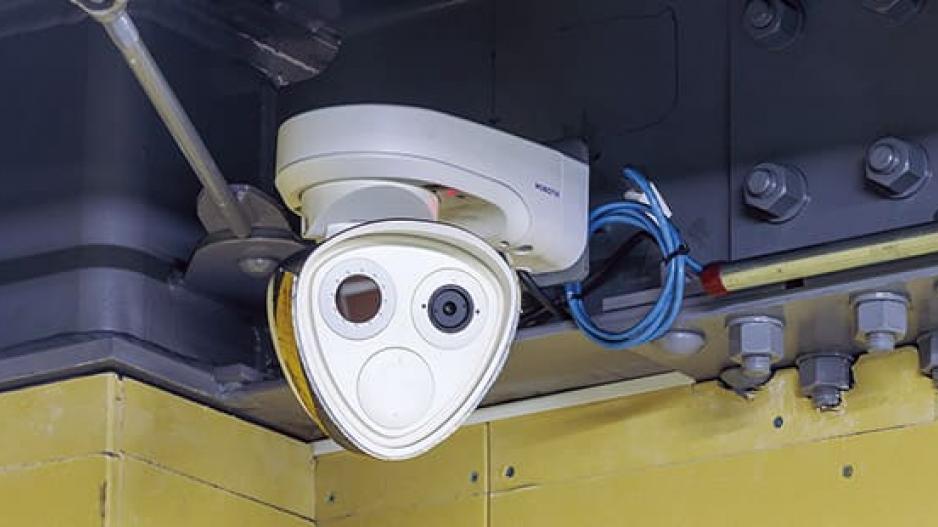
Nippon Recycle Center, a battery recycling and resource-recovery company in Osaka, Japan, worked with Konica Minolta Japan to deploy MOBOTIX M73 Thermal Cameras that catch a rising temperature in stored batteries before it becomes a fire.

Challenge

Rechargeable batteries recovered by Nippon Recycle Center are both a resource and a hazard: valuable for the rare metals they contain, and capable of igniting without warning. The company had already experienced small fires from lithium-ion cells, and its existing safeguards — isolated battery storage linked to fire-suppression equipment — only engaged once an incident was already under way.

Nippon Recycle Center needed a way to detect a rising temperature before it became an emergency, including during the unattended hours at its collection and sorting facility, and eventually on a new production line handling hazardous material directly. Imported thermal cameras on the market could not integrate cleanly with the Japanese equipment and in-house software already running the site.

Solution

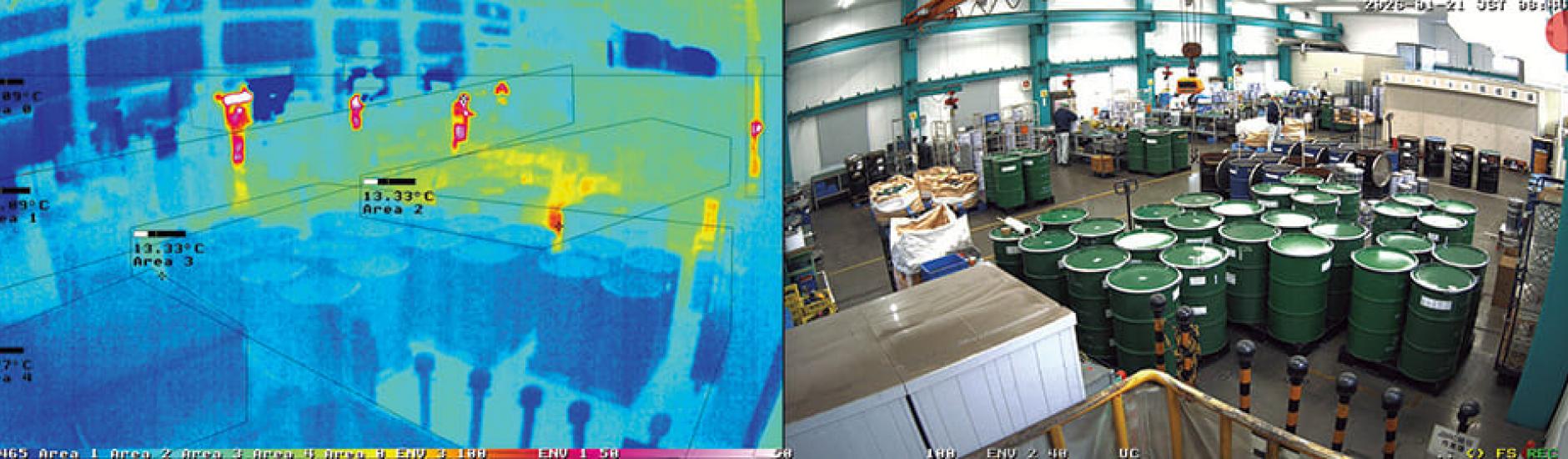
Working with Konica Minolta Japan, the company deployed MOBOTIX M73 Thermal Cameras configured for early temperature detection:

  • Bi-Spectral Imaging
  • Granular Temperature Thresholds (up to 20 events)
  • Configurable Detection Zones
  • Direct Alerting

Benefits

  • Prevention Not Reaction: A rising temperature is flagged while it is still just heat, not smoke or flame, turning an emergency response into a routine check.
  • Round-the-Clock Coverage: The cameras keep watching storage areas through the unattended hours, when a developing fire would otherwise go unnoticed the longest.
  • Hazards Made Visible: Bi-spectral imaging surfaces heat a standard camera cannot show at all, giving staff a direct view of a risk that used to stay invisible until it was already a fire.
  • False Alarms Resolved in Seconds: Configurable thresholds and zones mean an alert reflects a genuine temperature rise in that specific area, not routine background heat.
  • A Clean Safety Record: Detection now happens well before the point where the site's fire-suppression equipment would otherwise need to engage.

Implementation & Outlook

  • Timeline: The first camera went live in April 2024, with two more added in October 2025 to extend coverage across the collection and sorting facility.
  • Support: Konica Minolta Japan continues to tune detection thresholds and zones as conditions on site change, keeping the system matched to how the facility actually operates.
  • Integration: Cameras planned for the new production line will connect directly to Nippon Recycle Center's own control software, extending thermal monitoring into hazardous-material handling rather than treating it as a separate system.

EV battery recycling is expected to become Nippon Recycle Center's main business in the years ahead, and thermal monitoring has been planned into that shift from the outset rather than added on afterward.

Download the full case study

Learn more about Nippon Recycle Center's fire prevention.

Nippon Recycle Center (PDF, 3.73 MB)